

Advantages of Vacuum Heat Treat Furnaces over Traditional Methods
In the realm of materials processing and heat treatment, vacuum heat treat furnaces have emerged as a preferred choice for various industries due to their unique capabilities and benefits.
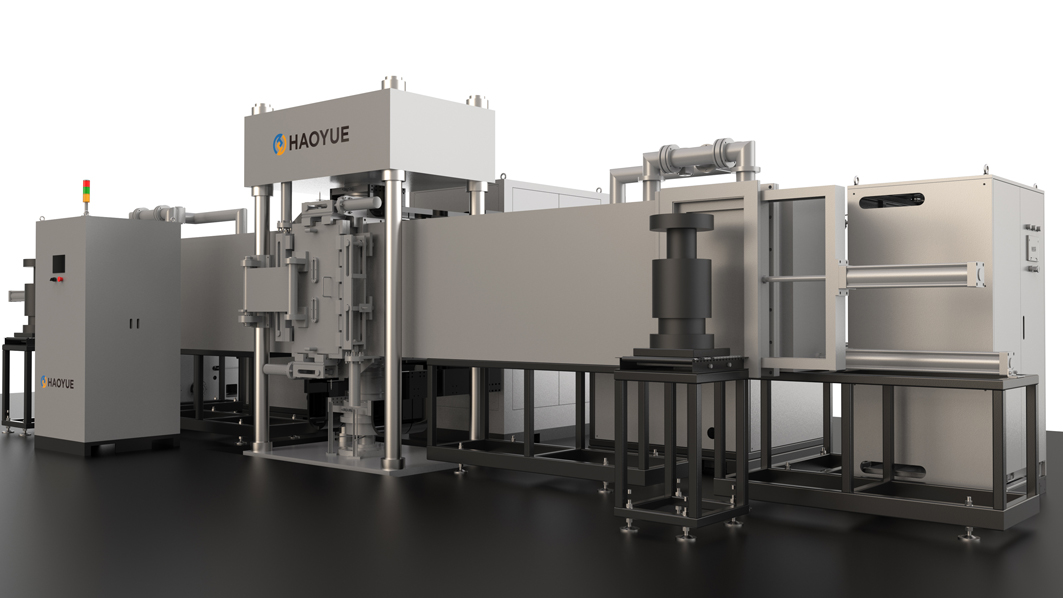
Enhanced Material Quality: Vacuum heat treat furnaces create a controlled environment free from contaminants such as oxygen and other reactive gases. This absence of impurities minimizes the risk of surface oxidation, ensuring superior material quality and integrity compared to traditional heat treatment methods conducted in open-air furnaces.
Precise Temperature Control: Vacuum heat treat furnaces offer precise temperature control capabilities, allowing operators to achieve and maintain specific heat treatment parameters with unparalleled accuracy. This precise control ensures uniform heating and cooling rates, minimizing thermal distortion and enhancing the consistency of material properties across components.
Reduction of Surface Defects: The vacuum environment of heat treat furnaces eliminates the formation of surface defects such as scale, decarburization, and oxidation, which are common in traditional heat treatment processes. As a result, components processed in vacuum furnaces exhibit improved surface finish and dimensional accuracy, reducing the need for secondary machining operations.
Minimization of Residual Stresses: Vacuum heat treat furnaces facilitate gradual and controlled cooling rates, allowing for the gradual release of internal stresses within the material structure. This controlled cooling process minimizes the formation of residual stresses, which can lead to distortion and dimensional instability in components subjected to traditional quenching methods.
Additional resources:
How long does it take to drill a deep water well?
Scrap Metal Prices
Lead & Lead Alloys
4 Advice to Choose a Animal Feed Pelletizer
Custom Li Ion Battery Pack Assembly: DIY vs ProfessionalVersatility in Material Compatibility: Vacuum heat treat furnaces are compatible with a wide range of materials, including ferrous and non-ferrous alloys, superalloys, ceramics, and composites. This versatility enables the processing of diverse materials with varying metallurgical properties and compositions, making vacuum furnaces ideal for a broad spectrum of industrial applications.
Environmentally Friendly: Vacuum heat treat furnaces operate in a sealed environment, minimizing the release of harmful emissions and pollutants into the atmosphere. Compared to traditional heat treatment methods involving quenching baths and open-air furnaces, vacuum heat treatment offers a cleaner and more environmentally sustainable solution.
Vacuum heat treat furnaces offer a multitude of advantages over traditional heat treatment methods, including enhanced material quality, precise temperature control, reduction of surface defects, minimization of residual stresses, versatility in material compatibility, and environmental sustainability. As industries continue to demand superior quality, reliability, and efficiency in materials processing, vacuum heat treat furnaces remain indispensable tools for achieving optimal results in heat treatment applications.
CE Certified Battery Assembly Equipment: Manual vs. Automated Comparison
How Does Twin-Shaft Paddle Mixer Work Effectively?
Key Questions to Ask When Ordering Smart Wasp: A Buyer's Guide
How to Choose the Right Excavator Bucket
Any Way You Slice It – Lathe Slitting Offers Numerous ...
U.S. Role in Global Lithium Battery Manufacturing
T3 | Ionic Hair Dryers, Ceramic Curling Irons, Professional Flat ...
None
None
Related Articles








Comments