

What Is a Waterproof Cable Gland?
Waterproof cable glands are essential components in modern electrical installations, offering protection and reliability for cables in harsh environments. From industrial machinery to outdoor lighting systems, these devices ensure safety, durability, and performance. In this comprehensive guide, we’ll dive deep into waterproof cable glands, their types, applications, installation, and everything in between.
What Is a Waterproof Cable Gland?
A waterproof cable gland is a mechanical device designed to attach and secure the end of an electrical cable to equipment. Its primary purpose is to protect cables from water ingress, dust, and other environmental hazards, ensuring a safe and reliable electrical connection. Often used in outdoor and industrial settings, these glands are critical for maintaining system integrity.
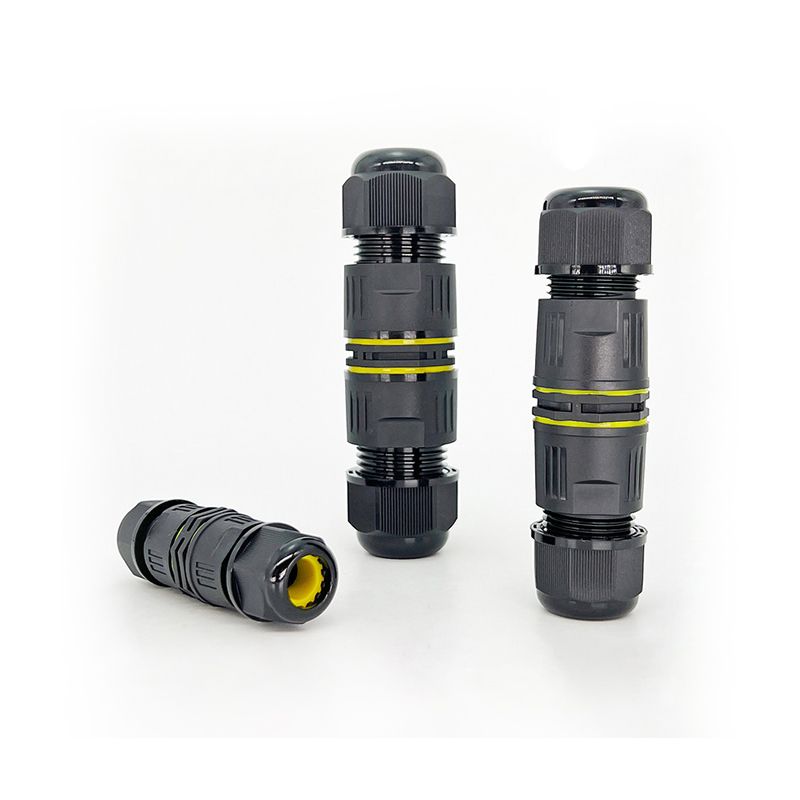
How Do Waterproof Cable Glands Work?
Waterproof cable glands function through a combination of mechanical sealing and strain relief. The gland consists of several parts, including a body, sealing ring, locknut, and gland nut. When the cable is inserted and the gland nut is tightened, the sealing ring compresses around the cable, forming a watertight barrier. This prevents water, dust, or chemicals from penetrating the cable entry point.
Key Materials Used in Waterproof Cable Glands
The choice of material greatly affects the performance of a waterproof cable gland. Common materials include:
Brass: Highly durable, corrosion-resistant, and suitable for harsh environments.
Stainless Steel: Excellent for marine applications due to its superior resistance to rust.
Plastic (Polyamide/Nylon): Lightweight, cost-effective, and resistant to UV and chemical exposure.
Aluminum: Lightweight and corrosion-resistant, ideal for specific industrial setups.
Each material offers distinct advantages depending on the application and environmental conditions.
Types of Waterproof Cable Glands
There are various types of waterproof cable glands designed for different uses:
1. Standard Waterproof Cable Glands
Designed for general-purpose applications, these glands provide a basic IP68 level protection, suitable for most outdoor and industrial settings.
2. Armored Cable Glands
These glands are used with armored cables, providing extra strength and protection against mechanical damage while maintaining waterproofing.
3. Ex-Proof Cable Glands
Specially engineered for hazardous environments, these glands prevent sparks and explosions by ensuring airtight and safe connections.
4. Metric and PG Threaded Cable Glands
Depending on regional standards, these glands use metric or PG threads to secure cables and maintain waterproofing.
5. Multi-Hole Cable Glands
Ideal for situations where multiple cables need to enter the same enclosure, maintaining waterproofing for all.
Understanding IP Ratings and Waterproof Standards
The Ingress Protection (IP) rating measures a cable gland’s resistance to solid particles and liquids:
IP65: Protected against water jets.
IP66: Protected against strong water jets.
IP67: Protected against immersion up to 1 meter for 30 minutes.
IP68: Continuous immersion under specified conditions.
Selecting the correct IP rating ensures your cable gland can withstand environmental challenges.
Applications of Waterproof Cable Glands
Waterproof cable glands are versatile and widely used across industries:
Industrial Equipment: Machinery requiring protection against dust and water.
Marine Applications: Boats, docks, and offshore platforms.
Outdoor Lighting: Streetlights and garden lighting systems.
Renewable Energy: Solar panels and wind turbines.
Telecommunications: Protecting cables in outdoor networks.
Each application demands careful consideration of material, size, and IP rating to ensure optimal performance.
Advantages of Using Waterproof Cable Glands
Implementing waterproof cable glands offers numerous benefits:
Enhanced Safety: Prevents electrical hazards caused by water ingress.
Increased Durability: Protects cables from corrosion and environmental damage.
Improved Reliability: Reduces downtime and maintenance costs.
Versatility: Suitable for various industries and applications.
Cost-Effective: Long-term protection reduces repair and replacement costs.
Choosing the Right Waterproof Cable Gland
Selecting the right cable gland involves several factors:
Cable Diameter: Ensure the gland fits snugly around the cable.
Environmental Conditions: Consider exposure to water, dust, chemicals, and UV radiation.
IP Rating: Match the rating to the level of protection required.
Material: Choose a material compatible with environmental and mechanical stresses.
Certifications: Look for CE, RoHS, or ATEX certifications for industrial and hazardous applications.
Installation Guide for Waterproof Cable Glands
Proper installation is crucial for ensuring effective waterproofing:
Select the correct gland size based on cable diameter.
Strip the cable according to manufacturer specifications.
Insert the cable through the gland components.
Tighten the gland nut to compress the sealing ring.
Secure the locknut to prevent loosening.
Check the IP rating compliance by verifying water resistance.
Following these steps ensures optimal performance and longevity.
Maintenance and Inspection Tips
Regular maintenance keeps waterproof cable glands functioning effectively:
Inspect for corrosion or cracks in metal glands.
Check the sealing ring for wear or deformation.
Ensure nuts are tightened to maintain waterproofing.
Replace damaged glands promptly to prevent cable damage.
Routine inspection prolongs the life of both the cable and the gland.
Common Mistakes to Avoid
Avoid these pitfalls to ensure maximum effectiveness:
Using the wrong size gland.
Ignoring environmental factors like chemical exposure.
Failing to check the IP rating.
Over-tightening or under-tightening the gland nut.
Neglecting regular inspections and maintenance.
Future Trends in Waterproof Cable Glands
Innovation continues in cable gland technology:
Smart cable glands with integrated sensors for real-time monitoring.
Eco-friendly materials for sustainable installations.
Enhanced sealing technologies for extreme environments.
These advancements make waterproof cable glands more efficient, reliable, and sustainable.
Conclusion
Waterproof cable glands are vital components for safe and reliable electrical installations in demanding environments. By understanding their types, materials, applications, and proper installation, you can ensure optimal cable protection and system performance. Selecting the right gland, adhering to installation guidelines, and performing regular maintenance maximizes safety, durability, and cost-effectiveness.
More details please visit YDT
None
Comments